

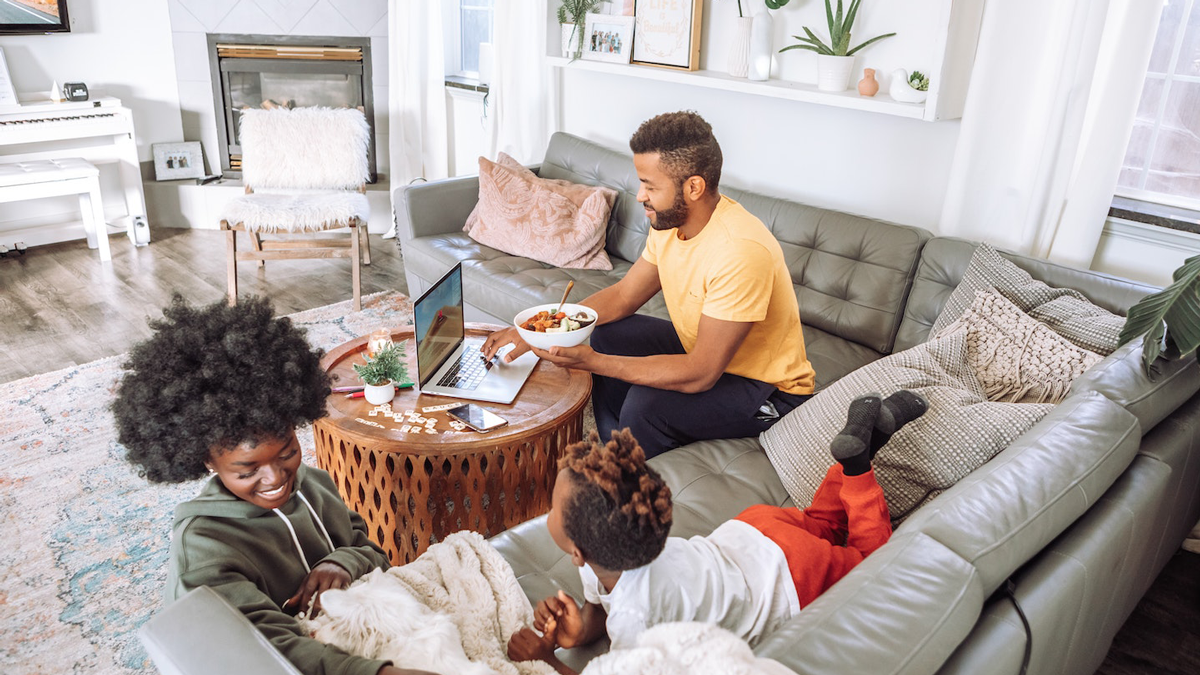
The living room is the heart of our home. It is where movie nights unfold, where toddlers build towers out of blocks, and where I finally sit down with a cup of tea after a long day. For years, I felt torn between wanting a beautiful space and needing one that could handle sticky fingers, toy explosions, and endless energy. Eventually, I realized I did not have to choose between style and function.
Designing a space that supports both adults and children requires intention. How to design a kid-friendly living room became a question I asked myself repeatedly as our family grew and our needs shifted. Through trial, error, and plenty of rearranging, I found a rhythm that allows our main gathering space to feel welcoming, durable, and genuinely lived in.
Shift Your Mindset About Perfection
A pristine, untouched living room may look appealing in magazines, but it rarely reflects real family life. I had to let go of the idea that my home needed to appear flawless at all times. Once I embraced the beauty of a space that supports play and comfort, everything felt lighter.
Children thrive in environments where they feel at ease. If they are constantly worried about spilling or breaking something, the room becomes off-limits instead of inviting. I wanted our living room to say, “You belong here,” rather than “Be careful.”
How to design a kid-friendly living room starts with redefining what success looks like. For me, success means laughter echoing through the space and furniture that survives daily life without constant stress.
Select Durable And Forgiving Materials
Fabric selection plays a significant role in family spaces. I quickly learned that delicate materials and light silks had no place in a high-traffic area with young kids. Performance fabrics, washable slipcovers, and tightly woven upholstery became my best friends.
Darker tones or subtle patterns help disguise minor stains and wear. Leather, especially in a distressed finish, can handle spills and wipes down easily. Rugs made from indoor-outdoor materials clean up far better than traditional wool in busy homes.
Practical materials do not have to sacrifice style. The key is blending durability with aesthetics so the room feels intentional rather than purely functional.
Anchor The Space With A Comfortable Sofa
The sofa often becomes the centerpiece of family life. It hosts everything from pillow forts to afternoon naps. I prioritized comfort over trend, opting for deep cushions and sturdy frames.
A sectional can provide ample seating while defining the layout of the room. Removable covers simplify cleaning, especially after snack mishaps. I also added a few oversized throw blankets that can be tossed into the wash regularly.
How to design a kid-friendly living room includes making sure the main seating invites connection. A comfortable sofa encourages family movie nights and spontaneous cuddles.
Incorporate Smart Storage Solutions
Toys have a way of spreading across floors quickly. Instead of fighting that reality, I built storage directly into the design of the room. Baskets, cabinets with doors, and storage ottomans help contain the chaos.
Closed storage keeps visual clutter to a minimum. Open bins at child height allow kids to access and put away their belongings independently. Labeling containers with words or pictures supports responsibility and routine.
Functional storage does more than tidy up. It creates a system that makes daily resets faster and less overwhelming.
Carve Out A Defined Play Area
Children benefit from having a designated zone for their activities. Even in a modest-sized living room, a small corner can transform into a play space. A soft rug, low shelf, and a few favorite toys signal that this area belongs to them.
Defining a play area prevents toys from overtaking the entire room. It also helps kids focus on their activities rather than scattering items everywhere. I noticed that when the boundaries are clear, cleanup becomes simpler.
How to design a kid-friendly living room involves blending adult and child needs seamlessly. A thoughtful play corner allows both to coexist without clashing.
Keep Breakables Out Of Reach
Decor has its place, but fragile items require careful placement. I moved delicate vases and heirlooms to higher shelves or different rooms entirely. This shift reduced my anxiety and prevented unnecessary accidents.
Lower surfaces now display sturdy decor such as wooden bowls, fabric-covered books, or soft accents. Wall-mounted shelves offer safe spots for sentimental pieces. With fewer fragile objects within reach, I can relax while my children play.
Safety and peace of mind go hand in hand. Adjusting decor placement protects both treasured items and curious little hands.
Opt For Rounded Edges And Soft Corners
Sharp corners and energetic kids are not a comfortable combination. I gravitated toward furniture with rounded edges whenever possible. Circular coffee tables or upholstered ottomans reduce the risk of injury.
If replacing furniture is not feasible, corner guards offer a practical solution. Area rugs with thick padding also soften inevitable tumbles. Small adjustments can significantly increase safety without compromising design.
How to design a kid-friendly living room includes anticipating movement. Children run, climb, and explore, so the environment must support that reality.
Use Washable And Layered Textiles
Textiles bring warmth and personality into a space. In a family living room, they also need to withstand frequent washing. I rely on machine-washable throw covers and pillowcases to maintain freshness.
Layering rugs can add style while offering practicality. A larger neutral base rug with a smaller patterned rug on top allows me to clean or replace the top layer easily. This approach protects the investment underneath.
Soft furnishings should enhance comfort, not create stress. Washable layers ensure that spills do not become permanent setbacks.
Maintain A Neutral Base With Flexible Accents
Bold trends can be fun, but children’s preferences evolve quickly. I kept the main elements of our living room neutral, including the sofa and larger furniture pieces. This decision allows me to swap accent colors without major expense.
Throw pillows, art prints, and small decor items introduce personality. As seasons change or interests shift, I update these accents. The room remains fresh without requiring a complete overhaul.
How to design a kid-friendly living room involves planning for change. A flexible foundation adapts easily as children grow.
Make Books Accessible And Visible
Books play a meaningful role in our home. Instead of hiding them away, I display children’s titles on low shelves within reach. This encourages spontaneous reading throughout the day.
A small reading nook with a cozy chair and soft lighting makes story time inviting. Rotating books periodically keeps interest alive. Visibility increases engagement and reduces clutter from scattered piles.
Designing for literacy and comfort can coexist beautifully. Accessible books contribute to both learning and warmth in the living room.
Balance Adult Style With Child-Friendly Touches
I did not want our living room to feel like a playroom overtaken by plastic. Thoughtful decor choices help maintain a cohesive aesthetic. Wooden toys, woven baskets, and neutral storage bins blend more seamlessly with adult design elements.
Framed family photos personalize the space without adding chaos. Plants introduce life while teaching children to respect and care for living things. The combination of style and practicality creates harmony.
How to design a kid-friendly living room does not mean sacrificing sophistication. It means weaving child-friendly elements into a balanced design.
Establish Simple Cleanup Routines
A well-designed space supports easy maintenance. We end each day with a quick reset where toys return to designated bins and pillows are fluffed back into place. This routine takes only a few minutes but transforms the atmosphere.
Involving children in cleanup builds ownership. They learn that shared spaces require shared effort. Consistency keeps the room from feeling perpetually overwhelmed.
Organization systems only succeed if they are sustainable. Small daily habits protect the calm we work hard to create.
Create Cozy Lighting For All Ages
Lighting shapes the mood of any room. Harsh overhead lights rarely feel inviting. I layered our lighting with floor lamps, table lamps, and soft bulbs to create warmth.
Dimmer switches allow flexibility for movie nights or quiet evenings. Natural light remains a priority during the day, so I avoid heavy window treatments that block sunshine. A well-lit room feels safe and comforting for children and adults alike.
How to design a kid-friendly living room includes paying attention to atmosphere. Gentle lighting enhances both play and relaxation.
Leave Room For Growth
Children change quickly, and their needs evolve just as fast. I remind myself not to overdesign for a single stage. A toddler play corner may later become a homework station or hobby area.
Flexible furniture arrangements allow for adjustments over time. Lightweight pieces can be moved as activities shift. Planning for growth prevents the need for constant redesign.
A living room that adapts with the family remains functional longer. Thoughtful flexibility reduces both cost and stress.
Celebrate The Lived-In Look
A home filled with children will never resemble a staged showroom, and that is part of its charm. Crayon marks, slightly worn cushions, and stacks of well-loved books tell a story. I have grown to appreciate these signs of life.
How to design a kid-friendly living room ultimately centers on connection. The room should support conversations, creativity, and comfort. It should invite us to gather without fear of minor messes.
Our living room now reflects who we are as a family. It balances durability with beauty and structure with spontaneity. By prioritizing comfort, safety, and thoughtful design, I created a space where both children and adults feel at home.
