

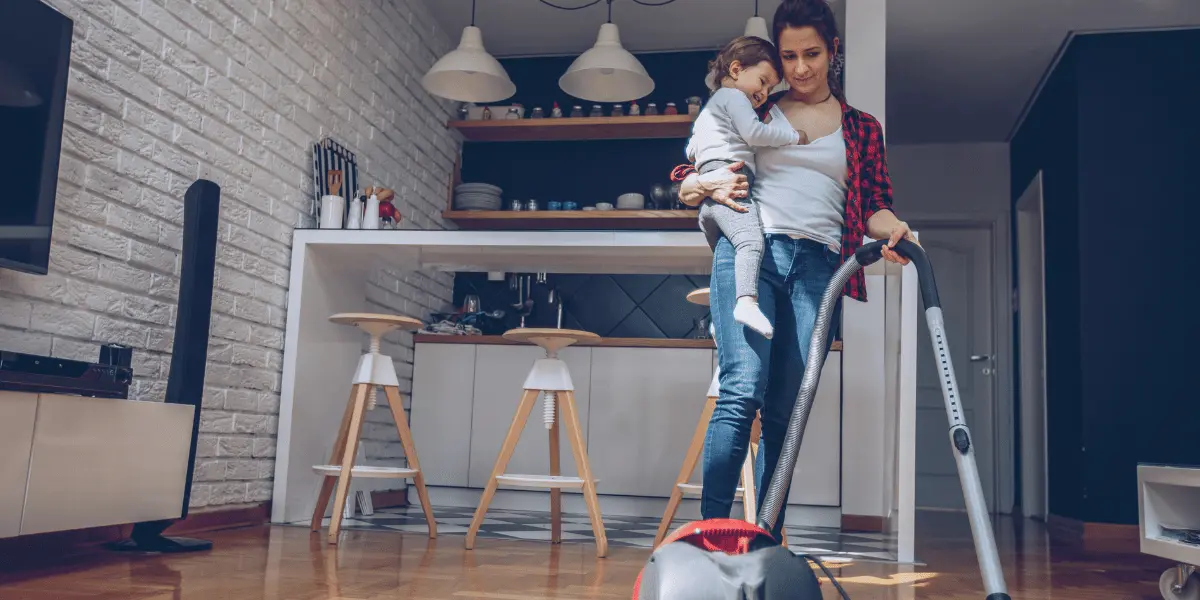
Clutter has a way of creeping in quietly and then announcing itself all at once. One day the counters are clear, and the next day I am shifting piles just to find space to make dinner. Motherhood adds layers of activity to a home, and with that activity comes stuff. Toys, school papers, laundry, random mail, and half-finished projects can pile up faster than I expect.
Over time, I realized that quick bursts of motivation were not enough. I would declutter intensely for a weekend, feel proud of the results, and then watch the mess slowly return. What changed everything was adopting decluttering tips that actually stick and reshaping how I think about my space. Sustainable order is less about dramatic purges and more about daily decisions that support the life I want to live.
Why Quick Fixes Never Last
Short-term cleaning sprees can feel productive, but they rarely address the root of the clutter. I found myself stuffing items into drawers or bins just to clear surfaces. The house looked tidy for a moment, yet the underlying disorganization remained untouched.
The problem with quick fixes is that they focus on appearance instead of systems. Without a clear place for things to live, clutter naturally returns. I had to admit that my home needed structure, not just surface-level tidying.
Real change began when I stopped asking how to make the mess disappear and started asking why it kept coming back. That shift in perspective helped me identify patterns. Once I noticed what I was holding onto and why, I could finally make adjustments that lasted.
Start With A Clear Vision Of Home
Before removing a single item, I had to define what I wanted my home to feel like. I wanted calm instead of chaos and function instead of frustration. That vision became my filter for what stayed and what left.
A clear picture of my ideal environment guided my decisions. If an object did not support the atmosphere I was aiming for, I questioned its place. This process felt empowering because I was shaping my home intentionally rather than reacting to clutter.
Decluttering tips that actually stick are rooted in purpose. Without a clear vision, it is easy to fall back into old habits. With one, I have a reference point whenever I feel tempted to hold onto something unnecessary.
Tackle Small Zones Instead Of Entire Rooms
Large projects can quickly become overwhelming. Staring at a whole room full of clutter often paralyzed me before I even began. I learned that focusing on one drawer, one shelf, or one corner at a time creates momentum without stress.
Small zones allow me to complete a task in a short window. That sense of completion builds confidence and motivation. Finishing something tangible feels far better than leaving an entire room half done.
Breaking tasks into smaller pieces also fits better into a busy mom schedule. I can declutter a bathroom cabinet while my kids are occupied or sort a kitchen drawer before dinner. Progress adds up over days and weeks.
Use The One-In, One-Out Rule
New items enter the house constantly, especially with growing children. Clothes, toys, school supplies, and gifts accumulate quickly. To prevent overflow, I adopted the one-in, one-out rule.
Whenever something new comes in, something else must leave. This simple boundary forces me to evaluate whether I truly need the new item. It also prevents closets and bins from becoming overcrowded again.
This rule works because it is straightforward and consistent. I do not need to schedule a massive purge if I maintain balance regularly. The discipline feels small in the moment but powerful over time.
Create A Home For Everything
Clutter thrives in ambiguity. If an item does not have a designated place, it ends up floating from surface to surface. I realized that I had to assign clear homes to the things we use daily.
Hooks by the door for bags, labeled bins for toys, and baskets for mail eliminated guesswork. Once everyone in the family knew where items belonged, tidying became easier. It is far simpler to put something away when its destination is obvious.
Decluttering tips that actually stick rely heavily on organization. Without clear storage solutions, even the best intentions crumble. Structure creates simplicity, and simplicity sustains order.
Let Go Of Guilt Items
Some objects linger because of guilt rather than usefulness. Gifts I never liked, expensive purchases I regretted, or clothes that no longer fit all took up space in my home. Holding onto them did not change the past, but it did crowd my present.
Releasing guilt items felt surprisingly freeing. I reminded myself that money already spent is gone whether I keep the item or not. My home does not need to serve as a storage unit for past decisions.
Letting go does not mean disrespecting the person who gave a gift or dismissing memories. It means prioritizing the life I am living now. That mindset shift made decluttering deeply personal and transformative.
Schedule Regular Reset Moments
Waiting until clutter becomes unbearable only leads to stress. Instead, I built short reset moments into my week. These mini sessions prevent buildup and keep things manageable.
A fifteen-minute evening tidy or a quick weekend sweep keeps surfaces clear and drawers organized. These resets do not require perfection, just attention. Consistency matters more than intensity.
By treating decluttering as an ongoing rhythm instead of a one-time event, I maintain control. The house no longer surprises me with overwhelming mess because I stay connected to it daily.
Teach Kids To Participate
Children generate clutter, but they can also help manage it. I involve my kids in simple decluttering routines so they understand responsibility. Even young children can sort toys or place books back on shelves.
Explaining why we let go of certain items helps them develop decision-making skills. They learn that space is valuable and that not everything must be kept forever. These lessons extend beyond the home.
Modeling decluttering habits shows them how to maintain their own spaces in the future. It becomes part of our family culture rather than a chore imposed by me alone.
Limit What Comes Into The House
Reducing incoming clutter is just as important as removing existing items. I became more mindful about shopping and accepting freebies. Impulse purchases often lead to regret and crowded storage.
Before buying something, I pause and consider where it will live. If I cannot immediately identify its place, I rethink the purchase. This habit has saved money and space.
Decluttering tips that actually stick require boundaries at the door. Preventing excess from entering keeps the home lighter and easier to manage.
Use Simple Storage Solutions
Overcomplicated systems rarely last in a busy household. I keep storage simple and accessible. Clear bins, open shelves, and labeled baskets make organization visible and easy.
If storage is difficult to use, items will not return to their proper places. Accessibility encourages consistency. My goal is not aesthetic perfection but functional simplicity.
Simple systems also adapt better as life changes. Children grow, needs shift, and routines evolve. Flexible storage keeps up without constant overhaul.
Accept That Some Sentimental Items Stay
Not everything needs to go. Certain keepsakes hold genuine emotional value. I allow space for meaningful items while being selective about how many I keep.
Memory boxes help contain sentimental clutter. Instead of scattering keepsakes throughout the house, I store them intentionally. This approach honors memories without overwhelming living spaces.
Balance is key. Decluttering does not mean stripping a home of personality. It means making space for what truly matters.
Focus On Progress, Not Perfection
Perfectionism once stalled my efforts. If I could not declutter an entire room flawlessly, I postponed starting at all. Letting go of that mindset changed everything.
Progress accumulates in small steps. One organized drawer leads to one clear shelf. Over time, those small wins transform the whole house.
Decluttering tips that actually stick encourage steady movement forward. They do not demand flawless execution. Compassion toward myself keeps the process sustainable.
Reflect On What Clutter Represents
Clutter often reflects deeper emotions. Sometimes it represents delayed decisions or postponed projects. Other times it signals exhaustion or overwhelm.
Taking a moment to reflect helps me address the real issue. If I am holding onto items from a past phase of life, I ask whether they still serve me. This introspection strengthens my resolve to let go.
Decluttering becomes more meaningful when it aligns with personal growth. As I evolve, my home evolves with me.
Build Habits That Support Order
Habits shape the state of my home more than occasional deep cleans. Putting items back immediately, sorting mail daily, and clearing counters at night all prevent buildup. These small actions create long-term stability.
Stacking new habits onto existing routines helps them stick. For example, I sort backpacks right after school and clear the dining table before bed. Linking tasks to predictable moments increases consistency.
Decluttering tips that actually stick are practical and repeatable. They fit naturally into daily life instead of requiring dramatic effort.
Embrace The Emotional Benefits
A decluttered home impacts more than physical space. It influences mood, focus, and overall well-being. I notice that I think more clearly and feel calmer when my surroundings are orderly.
Reduced clutter also saves time. I spend less energy searching for misplaced items. That reclaimed time can be spent with my family or on self-care.
These emotional rewards reinforce the habit. The more I experience the benefits, the more committed I become to maintaining them.
Final Thoughts
Lasting change does not come from a single weekend overhaul. It grows from intentional choices made repeatedly over time. Decluttering tips that actually stick revolve around clarity, consistency, and compassion.
By focusing on manageable zones, setting boundaries on incoming items, and building simple systems, I transformed how my home functions. I no longer chase perfection or wait for ideal circumstances. I take small steps regularly and trust the process.
Motherhood is demanding enough without constant clutter adding to the stress. A home that supports rather than overwhelms makes daily life smoother and more joyful. Sustainable decluttering is not about having less for the sake of less. It is about making room for what truly enriches our lives and letting the rest gently go.
