

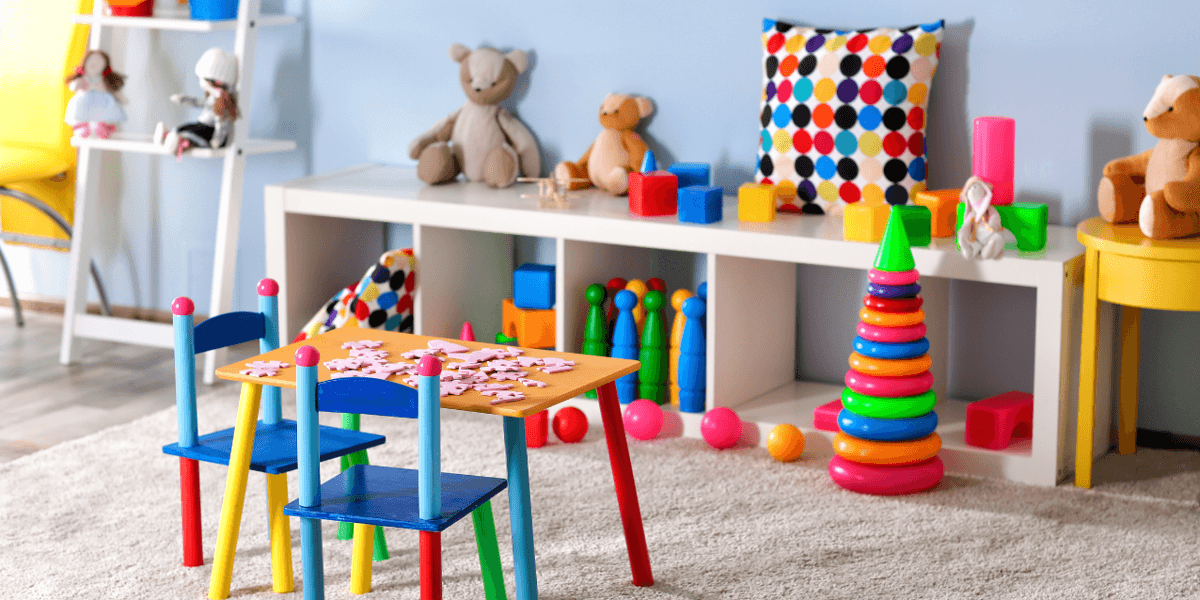
Toys have a way of multiplying overnight. I can tidy the living room before bed and wake up to a sea of plastic animals, building blocks, and puzzle pieces scattered across the floor. For a long time, the constant mess made me feel like I was failing at managing our home. Eventually, I realized the issue was not the toys themselves but the lack of simple, sustainable systems.
Motherhood already demands so much mental energy. The last thing I need is daily frustration over clutter that could be handled with better structure. Easy systems to keep toys under control transformed our home from chaotic to calm, without turning me into a drill sergeant or stripping the fun out of childhood.
Start With Fewer Toys In Circulation
The fastest way to reduce toy chaos is to reduce the number available at one time. Children do not need access to everything they own every single day. I began by gathering all toys into one space and sorting them honestly.
Broken items, duplicates, and toys that no longer matched my children’s interests went into donation or trash piles. The remaining toys were divided into smaller groups. Only one group stays out at a time, while the rest are stored away.
Easy systems to keep toys under control begin with editing. Fewer toys on the floor automatically mean less to clean and less visual overwhelm for everyone.
Use A Toy Rotation Method
Toy rotation changed everything for us. Instead of stuffing all toys into bins and hoping for the best, I rotate them every few weeks. The toys that are not currently in use stay in labeled containers in a closet or storage area.
This method keeps play fresh and exciting. My children often react to “new” toys with enthusiasm, even though they have owned them for years. It also prevents boredom that can happen when too many options are available.
Rotating toys reduces clutter without depriving children. It simply spaces out access in a thoughtful way.
Assign A Home For Everything
Toys become overwhelming when they do not have designated homes. I made sure each category has a specific place where it belongs. Dolls stay in one bin, building blocks in another, and art supplies in a separate container.
Clear labels help both me and my children remember where items go. For younger kids, picture labels make a huge difference. When cleanup time arrives, the task becomes a simple matching game rather than a guessing process.
Easy systems to keep toys under control rely on clarity. If a toy does not have a home, it tends to live on the floor.
Use Open Bins For Young Children
Young children thrive with simple storage solutions. Lidded containers may look tidy, but they can be frustrating for small hands. Open bins allow kids to see their toys easily and put them away without assistance.
I prefer sturdy baskets or plastic bins that can handle rough use. Placing them on low shelves keeps everything accessible. This setup encourages independence and reduces constant requests for help.
An accessible system empowers children to participate in maintaining order. It also prevents toys from being dumped out unnecessarily just to find one item.
Limit Large Toys In Shared Spaces
Large play kitchens, ride-on toys, and oversized dollhouses can quickly dominate shared areas. I decided to set boundaries about which big toys remain in common rooms. Some items moved to bedrooms or a designated play area.
By limiting bulky toys in the living room, the space feels more balanced. It remains welcoming for adults while still accommodating play. This compromise helps maintain harmony between function and family life.
Easy systems to keep toys under control include being realistic about space. Not all toys need prime real estate in the busiest parts of the home.
Establish A Daily Reset Routine
Clutter builds up quickly if it is ignored for several days. I implemented a short daily reset in the evening. Before bedtime, we spend ten minutes returning toys to their proper places.
Setting a timer turns cleanup into a manageable challenge. Music adds a sense of fun and urgency. Because the task is short and consistent, it never feels overwhelming.
A daily reset prevents small messes from becoming massive ones. Consistency keeps toy clutter from spiraling out of control.
Teach Simple Cleanup Habits Early
Children are capable of more than we often assume. Even toddlers can help put blocks into a basket or return books to a shelf. I model the process calmly and guide them step by step.
Instead of demanding perfection, I focus on participation. Praising effort reinforces the habit. Over time, cleanup becomes part of the natural rhythm of play.
Easy systems to keep toys under control depend on shared responsibility. Teaching these habits early builds long-term cooperation.
Create Zones For Different Activities
Mixing all types of toys in one area leads to chaos. I found it helpful to create specific zones for certain activities. Building toys stay near a small table, while puzzles and books live in a quieter corner.
Defined zones help children focus on one type of play at a time. They also make cleanup more intuitive because items return to the area where they belong. This structure reduces the scattering effect that often covers the entire house.
Intentional layout supports organization. It guides children naturally without constant verbal reminders.
Store Small Pieces Securely
Tiny pieces are often the biggest source of frustration. Puzzle pieces, LEGO bricks, and doll accessories easily disappear under furniture. I use containers with secure closures for these items.
Clear boxes allow visibility while preventing spills. For very small parts, zippered pouches inside larger bins add another layer of organization. This prevents entire sets from being dumped out at once.
Easy systems to keep toys under control include protecting the integrity of sets. Fewer missing pieces mean fewer incomplete toys taking up space.
Manage Incoming Toys Thoughtfully
Birthdays and holidays can flood a home with new items. Instead of adding everything directly into circulation, I pause and evaluate. Some older toys are removed to make space for new arrivals.
I also communicate with relatives about our space limitations. Experience gifts or consumable items often replace large toys. This reduces the long-term storage burden.
Managing incoming toys is just as important as organizing existing ones. Without boundaries, clutter returns quickly.
Use Furniture That Doubles As Storage
Storage furniture simplifies toy management. Ottomans with hidden compartments, benches with lift-up seats, and cube shelving units provide practical solutions. These pieces blend into the decor while serving a purpose.
Cube shelves with fabric bins are particularly effective. Each cube can hold a category of toys, making sorting straightforward. The visual uniformity keeps the room looking calm.
Easy systems to keep toys under control benefit from furniture that works harder. Dual-purpose pieces reduce the need for extra storage units.
Keep Surfaces Mostly Clear
Flat surfaces attract toy piles quickly. Coffee tables, side tables, and countertops become temporary parking spots for random items. I made a rule that surfaces remain mostly clear at the end of each day.
Decor is kept minimal to allow room for occasional play without chaos. This visual simplicity makes the room feel larger and more peaceful. It also highlights when toys are out of place.
Clear surfaces create breathing room. They signal order even in a busy household.
Encourage One Activity At A Time
Children often pull out multiple toys without finishing any of them. I gently encourage focusing on one activity before starting another. This reduces the number of items spread across the floor simultaneously.
If they want to switch activities, we clean up the first one together. Framing it as a transition rather than a punishment keeps the mood positive. Over time, this habit becomes second nature.
Easy systems to keep toys under control involve guiding play patterns. Fewer simultaneous activities mean less mess to manage.
Make Decluttering A Regular Habit
Toys that once sparked joy may eventually collect dust. I schedule seasonal toy check-ins to reassess what still gets used. My children participate in selecting items to donate.
This practice teaches generosity and awareness. It also prevents storage areas from becoming overcrowded. Letting go creates space for what truly matters.
Decluttering is not a one-time event. It is an ongoing process that maintains balance in a toy-filled home.
Model Calm And Consistency
Children respond to tone and energy. If I approach cleanup with frustration, they resist. When I stay calm and consistent, they mirror that behavior.
I remind myself that toys are a sign of a lively, imaginative home. The goal is not perfection but manageability. Systems work best when paired with patience.
Easy systems to keep toys under control have transformed our daily life. Our home feels lighter, and cleanup no longer consumes my evenings. By limiting what is available, assigning clear homes, rotating toys, and building simple routines, I created structure without stifling play.
Order and childhood can coexist beautifully. With thoughtful systems and steady habits, toys remain part of joyful memories rather than constant stress.
