

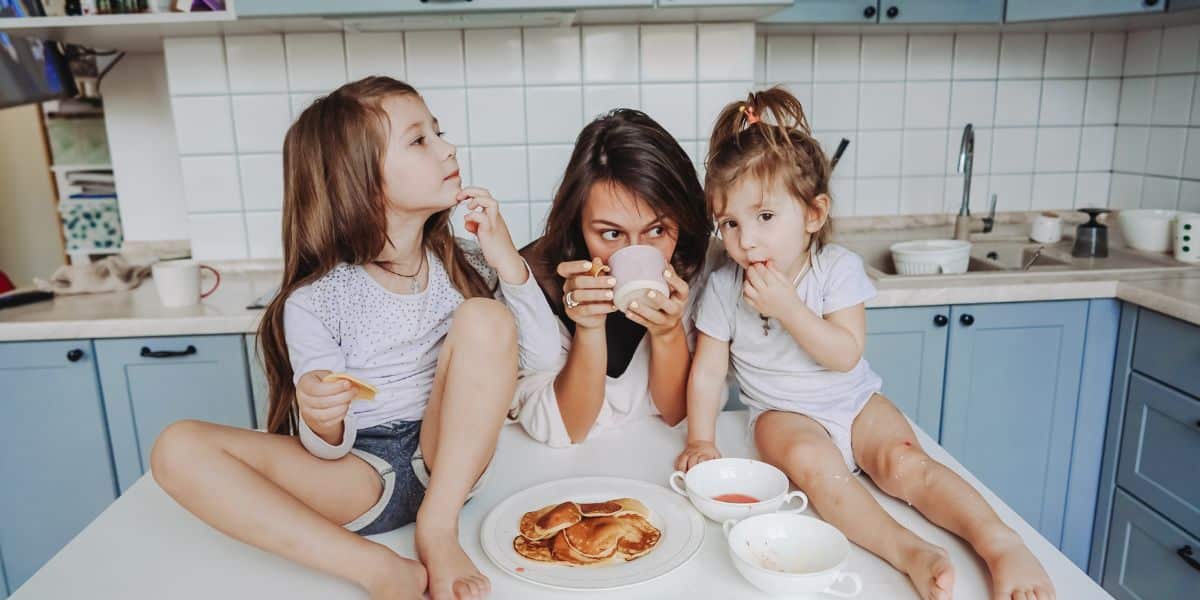
My children do not need me to entertain them every minute of the day, even though it can sometimes feel that way. The pressure to be constantly present, engaged, and interactive is loud in modern motherhood. I have felt that tug of guilt when I step back, wondering if I am somehow falling short by not joining every game or solving every moment of boredom.
Over time, I began to see that constant involvement was not serving my children or me. They became more dependent on my attention, and I felt stretched thin and quietly resentful. That dynamic was not healthy for anyone. Encouraging space for them to explore on their own turned out to be a gift, not a withdrawal of love.
How to encourage independent play without guilt became a question I had to answer for myself before I could implement it in our home. I needed to believe that stepping back was not neglect but empowerment. Once that mindset shifted, everything else started to fall into place more naturally.
Recognize The Value Of Independent Play
Children build critical life skills when they play alone. Problem-solving, creativity, patience, and emotional regulation all develop in those quiet stretches of self-directed time. I noticed that when I stopped jumping in immediately, my children found solutions I would have never suggested.
Independent play allows imagination to take the lead. Without adult direction, a cardboard box becomes a spaceship, a store, or a secret hideout. Those transformations happen because a child is free to think without interruption.
Confidence grows in these moments as well. When my children complete a puzzle or invent a game on their own, the pride on their faces is unmistakable. They learn that they are capable without constant guidance.
Release The Guilt Narrative
Guilt often creeps in when I sit down with a cup of coffee while my child plays across the room. A voice whispers that a “good mom” would be on the floor building blocks instead. I had to challenge that voice intentionally.
Being constantly available is not the same as being loving. My presence does not disappear just because I am not actively participating. In fact, modeling healthy boundaries shows my children that personal space and self-care matter.
Guilt loses its grip when I focus on the bigger picture. Independent play teaches resilience and self-trust. Reminding myself of those benefits helps me step back with confidence rather than doubt.
Start With Small Time Blocks
Long stretches of solo play can feel overwhelming at first, especially for younger children. I began by setting short, manageable time blocks. Ten or fifteen minutes of independent play felt achievable for everyone.
During that time, I remained nearby but not directly involved. If they asked me to join, I gently encouraged them to try on their own first. Gradually, those short windows expanded naturally.
This gradual approach prevented frustration. It built stamina for independent play without turning it into a battle of wills.
Create A Safe And Inviting Play Environment
A thoughtfully arranged space encourages children to engage independently. I made sure toys were accessible and organized in a simple way. Too many options at once can overwhelm rather than inspire.
Rotating toys periodically keeps interest alive. When everything is always available, novelty disappears quickly. Bringing out a few items at a time makes them feel fresh again.
Safety also matters. When I know the environment is secure, I can relax. That calm energy transfers to my children, making solo play feel safe rather than isolating.
Resist The Urge To Interrupt
It can be tempting to praise, correct, or redirect constantly. I had to practice holding back unless truly necessary. Interruptions can break a child’s focus and shorten the length of independent engagement.
Observation became my new role. I watched quietly as stories unfolded and towers wobbled. Intervening only when needed allowed creativity to flow uninterrupted.
Trusting the process strengthened my patience. My children did not need commentary on every move they made.
Normalize Boredom
Complaints of boredom used to trigger immediate solutions from me. I felt responsible for filling the silence. Over time, I realized that boredom is often the doorway to creativity.
When my children announce they are bored, I respond calmly and encourage them to think of ideas. I avoid offering suggestions right away. This small pause nudges them toward self-direction.
Eventually, they start inventing games or projects without my prompting. Boredom loses its drama when it is treated as a normal part of the day.
Balance Connection And Independence
Encouraging solo play does not mean withdrawing affection. I intentionally schedule moments of focused connection. Reading together, playing a board game, or going for a walk reassures my children that they still have my attention.
This balance makes independent play feel secure rather than lonely. They know connection is available, so they are more willing to explore alone. Quality often matters more than quantity.
Clear transitions also help. Telling them, “I will play with you after lunch,” sets an expectation they can rely on.
Avoid Over-Scheduling
Packed calendars can crowd out opportunities for independent play. I once filled afternoons with activities, believing enrichment required constant structure. Instead, my children became overstimulated and exhausted.
Open space on the calendar invites creativity. Unstructured time gives children room to explore interests organically. Not every moment needs to be productive in a measurable way.
Slowing down benefits me as well. The home feels calmer when we are not rushing from one commitment to another.
Encourage Problem-Solving
Conflicts between siblings or frustrations with toys offer growth opportunities. I resist the instinct to solve every disagreement immediately. Instead, I guide them with questions that prompt reflection.
Asking, “What do you think you could try next?” empowers them to find solutions. This builds confidence and independence simultaneously. They begin to trust their own judgment.
Stepping back in these moments requires patience. The payoff is worth it when I see them navigate challenges without my direct intervention.
Limit Screen Dependence
Screens can quickly replace imaginative play if boundaries are unclear. I set consistent limits on digital entertainment. This encourages alternative forms of engagement.
Without easy access to devices, my children turn to building, drawing, and storytelling. Their creativity expands when it is not overshadowed by passive consumption.
Moderation protects attention spans as well. Independent play flourishes when distractions are minimized.
Celebrate Effort Rather Than Outcome
Praise focused on effort reinforces internal motivation. When my child spends time constructing an elaborate structure, I acknowledge the persistence rather than the final product alone. This builds intrinsic pride.
External validation should not be the sole driver of play. Children benefit from experiencing satisfaction that comes from within. Independent play nurtures that self-generated joy.
Encouragement remains important, but it does not need to dominate the experience. A simple acknowledgment goes a long way.
Model Independence Yourself
Children absorb what they see. If I constantly seek distraction or external validation, they notice. Demonstrating my own independent activities sets a powerful example.
Reading a book, gardening, or working on a hobby shows that solitude can be fulfilling. My children begin to view alone time as normal rather than punitive.
Shared space does not require shared activity. We can coexist peacefully while pursuing separate interests.
Trust Developmental Growth
Different ages require different levels of support. A toddler’s independent play looks different from that of a school-aged child. Adjusting expectations prevents frustration.
Patience is key during developmental transitions. Skills grow gradually, not overnight. Trusting that independence will expand with maturity keeps me grounded.
Comparisons to other families are unhelpful. Each child progresses at their own pace.
Reflect On Your Own Needs
Encouraging independent play also protects my well-being. Moments of quiet allow me to recharge mentally and emotionally. A regulated parent responds more calmly and thoughtfully.
Self-care does not require elaborate plans. Sometimes it is as simple as sitting quietly for a few minutes. Those small pauses improve the atmosphere of our home.
Releasing guilt about meeting my own needs strengthens the entire family dynamic. Independence benefits everyone involved.
Final Thoughts
How to encourage independent play without guilt ultimately begins with mindset. Stepping back does not mean stepping away emotionally. It means trusting my children’s capacity to grow.
Independent play cultivates creativity, resilience, and confidence. It also allows me to breathe and reset, which makes me a more patient and present mother. That balance fosters harmony in our home.
Letting go of unnecessary guilt has been liberating. My children are capable, imaginative, and resourceful when given the space to explore. Watching them thrive independently reminds me that sometimes the most loving thing I can do is simply step aside.
