

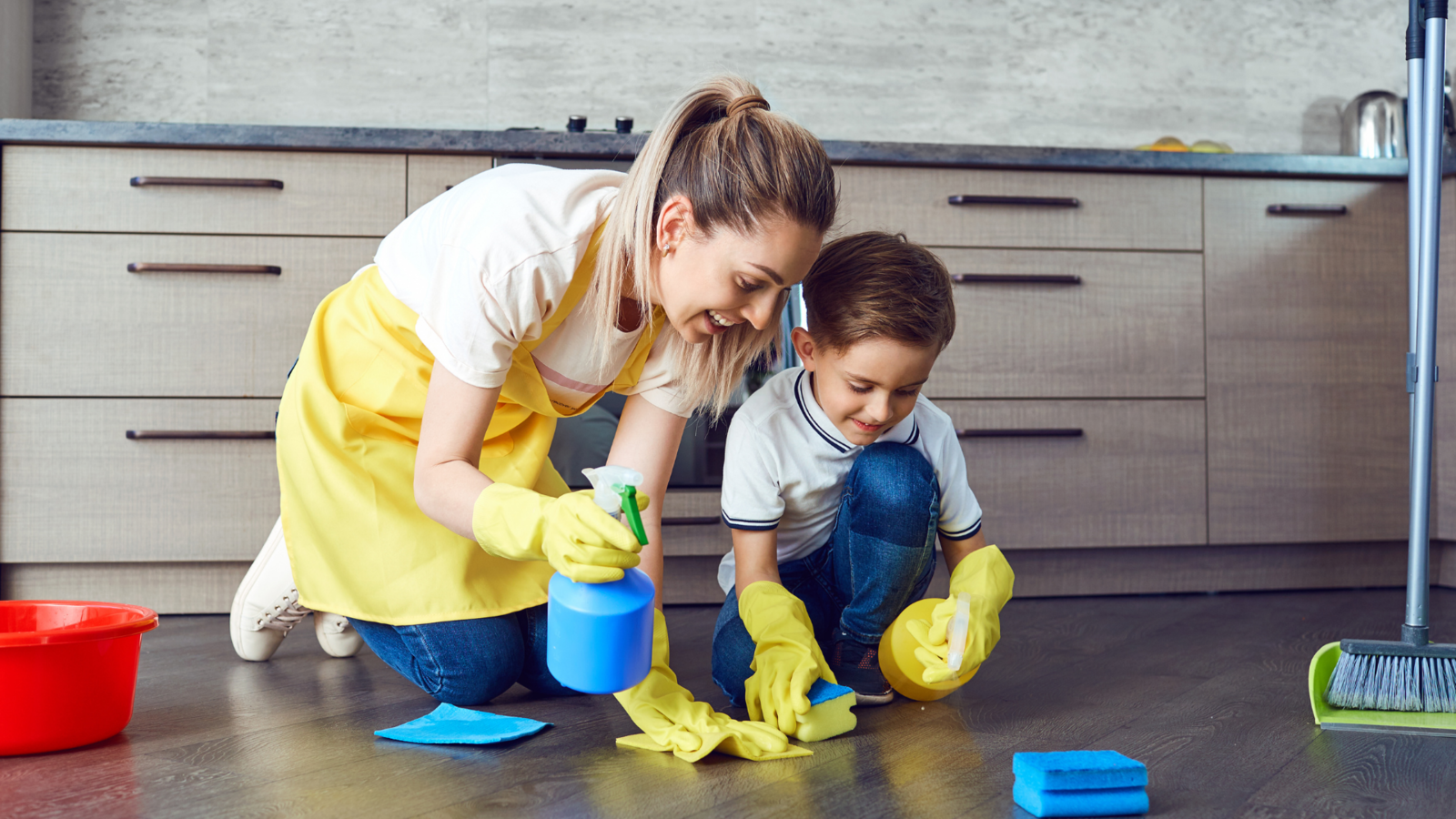
The day I realized I could not do it all alone was the day everything started to shift in our home. Laundry baskets were overflowing, dishes seemed endless, and I felt resentful watching everyone relax while I moved from task to task. That frustration forced me to rethink how our household operated and who carried the responsibility.
I did not want to raise children who believed that clean clothes magically appeared in their drawers or that floors stayed tidy on their own. I wanted them to grow up capable, considerate, and confident in their ability to contribute. Figuring out how to involve kids in household chores became less about lightening my load and more about preparing them for life.
Inviting children into the daily work of maintaining a home is not always smooth. It requires patience, repetition, and a willingness to tolerate imperfect results. Over time, though, the benefits stretch far beyond a cleaner kitchen or folded towels.
Shift The Mindset From Help To Contribution
One of the first changes I made was in my language. Instead of asking my children to help me, I began framing chores as shared responsibilities. This subtle shift communicates that maintaining our home is not solely my job.
Children respond differently when they feel like valued contributors rather than reluctant assistants. I explained that our family operates as a team, and each person has a role. This mindset builds ownership and pride.
How to involve kids in household chores starts with perspective. When work is viewed as a collective effort, resistance decreases over time.
Start Small And Build Gradually
Handing a child a long list of tasks can feel overwhelming. I began with simple, manageable jobs that matched their age and abilities. Putting toys into bins or matching socks became their starting points.
Success with small tasks builds confidence. Once they mastered basic responsibilities, we added new ones slowly. Growth happened step by step rather than all at once.
Patience matters deeply in this process. Gradual expansion prevents discouragement for both parent and child.
Make Expectations Clear And Specific
Vague instructions often lead to frustration. Telling a child to clean their room can mean different things to each of us. I learned to break tasks into clear, concrete steps.
Instead of broad commands, I would say, “Place your books on the shelf and put dirty clothes in the hamper.” Specific directions eliminate confusion. Clarity reduces arguments and repeated corrections.
How to involve kids in household chores effectively depends on communication. The more precise I became, the smoother things went.
Establish Consistent Routines
Children thrive on predictability. Assigning chores to consistent times of day created rhythm in our home. After dinner, everyone clears their own plate and wipes the table.
Morning routines include making beds and placing pajamas under pillows. These repeated patterns turn chores into habits rather than surprises. Over time, reminders become less frequent.
Consistency builds reliability. The more routine a task becomes, the less resistance it generates.
Work Alongside Them
Standing back and issuing instructions rarely produces enthusiasm. When I join my children in completing tasks, the atmosphere shifts. Folding laundry together or washing dishes side by side turns chores into shared moments.
Working together also allows me to model techniques. They observe how I sweep corners or organize shelves. Demonstration often teaches more effectively than explanation alone.
Connection grows during these moments. Household work becomes an opportunity for conversation rather than conflict.
Accept Imperfect Results
Children will not fold towels with crisp edges or sweep every crumb the first time. Early on, I had to resist the urge to redo their work immediately. Constant correction undermines confidence.
I remind myself that skill develops through practice. If a task is completed reasonably well, I offer appreciation. Gradual improvement happens naturally with repetition.
How to involve kids in household chores requires letting go of perfection. Progress is more valuable than flawless execution.
Assign Age-Appropriate Responsibilities
Different ages bring different capabilities. Younger children can sort laundry by color or water plants with supervision. Older kids can load the dishwasher or vacuum common areas.
Matching tasks to developmental stages prevents frustration. Challenging but achievable jobs keep them engaged. Growth occurs when responsibilities evolve with maturity.
I revisit chore assignments periodically. As children grow, their capacity expands.
Create A Visual Chore Chart
Visual reminders reduce repeated verbal prompts. I created a simple chore chart displayed in the kitchen. Each child can see their tasks clearly.
Checking off completed chores adds a sense of accomplishment. It also reduces arguments about who was supposed to do what. Transparency fosters accountability.
How to involve kids in household chores becomes more manageable with structure. Visual systems support independence.
Tie Chores To Privileges Rather Than Payments
While allowances can work for some families, I prefer linking chores to privileges. Screen time, playdates, or weekend activities depend on responsibilities being fulfilled.
This connection reinforces that contribution is part of family life. It avoids turning basic tasks into transactional exchanges. Participation becomes expected rather than optional.
Clear consequences maintain consistency. Children learn that responsibility and freedom are connected.
Incorporate Music And Movement
Energy levels shift when music fills the room. Turning on upbeat songs during cleaning sessions transforms the mood. Tasks feel lighter and more engaging.
Sometimes we set a timer and see how much we can accomplish before the song ends. Movement and rhythm bring momentum. Laughter often replaces complaints.
Chores do not have to feel dull. Adding small elements of fun makes a noticeable difference.
Teach The Why Behind The Work
Children cooperate more willingly when they understand purpose. I explain how wiping counters prevents ants or how laundry piles can create stress. Context gives meaning to tasks.
Discussing the benefits of a clean environment helps them connect effort with outcome. They begin to notice how order affects mood. Awareness fosters intrinsic motivation.
How to involve kids in household chores includes education. Knowledge strengthens responsibility.
Rotate Tasks To Prevent Boredom
Doing the same chore repeatedly can lead to frustration. I occasionally rotate assignments so each child experiences different responsibilities. This builds diverse skills.
Exposure to various tasks also increases empathy. They appreciate the effort required to maintain the entire home. Rotation keeps engagement fresh.
Flexibility prevents resentment. Variety adds balance to the routine.
Model A Positive Attitude Toward Work
Children observe more than they listen. If I complain constantly about chores, they absorb that negativity. I make an effort to speak about household work with respect.
I share how satisfying it feels to complete a task. Gratitude for a clean space becomes part of our conversations. My attitude sets the emotional tone.
How to involve kids in household chores depends heavily on modeling. Enthusiasm, even in small doses, is contagious.
Celebrate Milestones And Growth
Acknowledging progress encourages continued effort. When a child masters a new responsibility, I recognize it openly. Simple praise reinforces their sense of competence.
Celebrations do not need to be extravagant. A heartfelt thank you or a family high five carries weight. Recognition strengthens commitment.
Confidence grows through affirmation. Children who feel capable are more likely to participate willingly.
Maintain Patience During Resistance
Resistance is inevitable. There are days when reminders feel endless and tempers run thin. During those moments, I focus on long-term goals rather than immediate compliance.
Consistency matters more than perfection. I calmly restate expectations and follow through with agreed consequences. Over time, persistence pays off.
How to involve kids in household chores is a marathon, not a sprint. Steady effort produces lasting habits.
Encourage Ownership Of Personal Spaces
Personal responsibility begins in individual spaces. Each child manages their own bedroom to an age-appropriate standard. I guide rather than control.
Ownership fosters pride. When children care for their belongings, they develop respect for shared spaces as well. Independence strengthens overall cooperation.
Gradual autonomy prepares them for adulthood. Responsibility starts at home.
Inviting children into the daily rhythm of maintaining our home transformed more than our chore list. It reshaped our family culture. The house feels less like my burden and more like our shared environment.
How to involve kids in household chores is not about achieving spotless perfection. It is about raising capable, compassionate individuals who understand the value of contribution. Over time, those small daily tasks become lessons in teamwork, resilience, and responsibility that extend far beyond our front door.
