

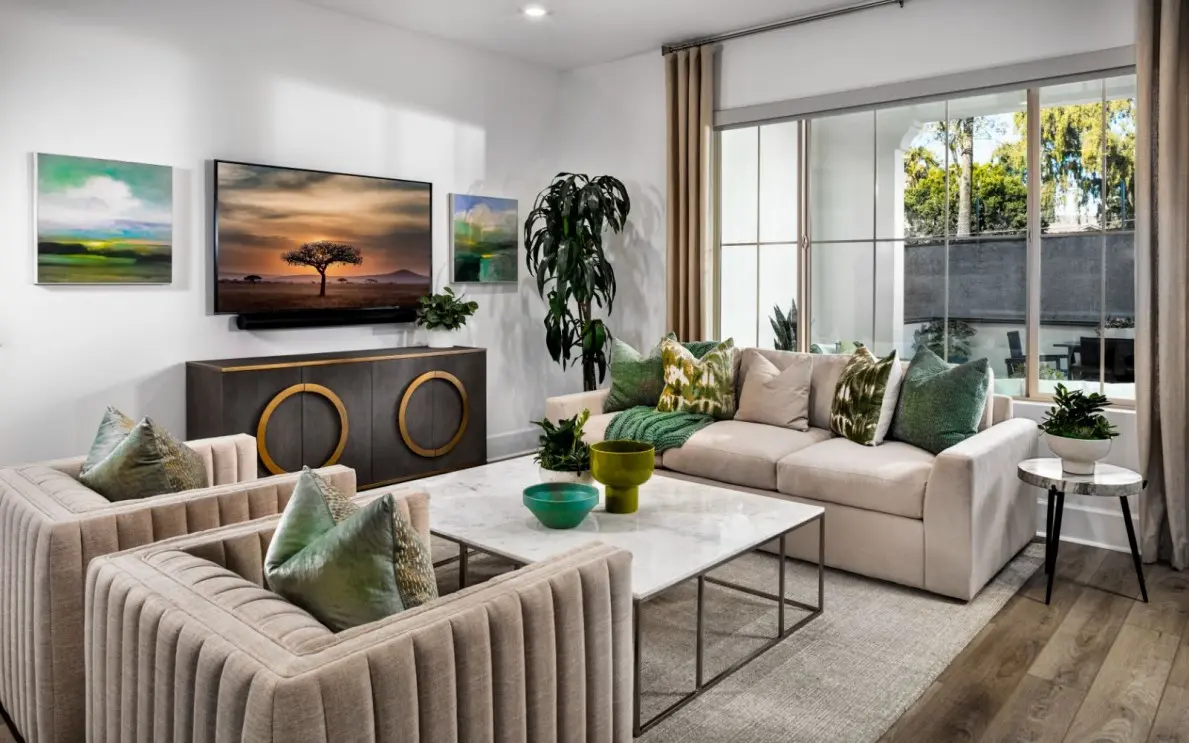
The noise did not start all at once. It built slowly through busy mornings, endless laundry, misplaced shoes, and the steady hum of responsibilities that never seem to pause. One day I looked around and realized that the space meant to shelter us felt tense instead of comforting. The rooms were functional, but they no longer felt like a refuge.
I knew I could not control everything happening outside our walls, but I could influence the atmosphere within them. Making your home feel peaceful again became less about redecorating and more about reshaping daily rhythms. Peace did not arrive in a single grand gesture. It grew from small, intentional changes layered into our routines.
Peace at home does not mean silence or spotless floors. It means walking through the door and feeling your shoulders soften. It means your children sensing security in the way you move through the day. That kind of calm can be rebuilt, even after seasons of chaos.
Recognize The Sources Of Tension
Before I could shift the atmosphere, I had to admit what was contributing to the strain. Clutter was part of it, but so were rushed schedules and unrealistic expectations. I noticed how my own stress set the tone for everyone else.
Our homes often mirror our internal state. If I felt overwhelmed, the house felt overwhelming. If I was short-tempered, the energy in the rooms tightened. Acknowledging this connection was not about blame. It was about awareness.
Once I identified the patterns that fueled tension, I could begin to interrupt them. Small triggers, such as piles of unopened mail or constant background noise from the television, were easier to address than I expected. Awareness gave me a starting point.
Reset The Physical Space
Physical clutter weighs on the mind more than we realize. I began with one room at a time instead of attempting a full-house overhaul. Clearing surfaces, donating unused items, and rearranging furniture created breathing room.
Open spaces invite calm. When countertops and tables are less crowded, the mind feels less crowded too. I did not aim for perfection. I aimed for simplicity.
Making your home feel peaceful again often starts with what you can see and touch. Removing excess allowed our home to feel lighter without spending money or undertaking major renovations. The transformation came from subtraction, not addition.
Establish Gentle Morning Rhythms
Mornings set the emotional tone for the rest of the day. I stopped trying to pack too much into the early hours. Instead, I focused on a consistent wake-up time and a simple sequence that everyone could follow.
Soft lighting, quiet music, and a few extra minutes before waking the kids shifted everything. I prepared as much as possible the night before to reduce frantic searching for shoes or homework. Predictability brought calm.
A peaceful home is not built in a single afternoon. It is nurtured in the small, repeated moments that anchor each day. Gentle mornings created steadiness that carried into the afternoon and evening.
Lower The Volume Of The House
Noise has a way of amplifying stress. Televisions running in the background, constant notifications, and overlapping conversations made our home feel chaotic. I started turning things off more intentionally.
We designated certain hours as quiet time, even if no one was napping. Books replaced screens. Conversations softened. The absence of constant noise felt unfamiliar at first, but soon it became comforting.
Silence is not emptiness. It is space for thought, rest, and connection. Reducing background noise was one of the most immediate shifts in making your home feel peaceful again.
Create A Calm Corner
Children need places to decompress just as much as adults do. I set up a small corner with soft pillows, a cozy blanket, and a basket of favorite books. This space was not a timeout area. It was a retreat.
When emotions ran high, we used the calm corner as a reset spot. I modeled using it myself when I felt overstimulated. The message was clear: stepping away to breathe is healthy.
A designated calm space teaches emotional regulation in a tangible way. It reminds everyone that peace is something we can return to, even after conflict.
Simplify The Family Schedule
Overscheduling drains the home of its tranquility. I evaluated our weekly commitments and asked hard questions about what truly mattered. Not all good opportunities needed to become obligations.
We scaled back activities that left us rushing from one place to another without time to regroup. Even one free evening during the week made a noticeable difference. The house felt less like a pit stop and more like a gathering place.
Time is a powerful ingredient in making your home feel peaceful again. Margin in the calendar translates into margin in the atmosphere.
Introduce Meaningful Rituals
Rituals anchor families. They do not need to be elaborate or time-consuming. Lighting a candle during dinner or sharing one highlight from the day brought a sense of intention to ordinary moments.
These small traditions became touchpoints of connection. They signaled that our home was not just a place to sleep and store belongings. It was a place to belong.
Rituals build stability. Children thrive on repeated patterns that signal safety. Adults benefit from them just as much.
Pay Attention To Lighting
Harsh lighting can make even tidy rooms feel sterile. I swapped bright overhead bulbs for softer options in the evenings. Lamps replaced ceiling lights whenever possible.
Natural light during the day became a priority. I opened curtains fully and cleared window sills to let sunshine flood in. Light has a direct impact on mood.
Making your home feel peaceful again sometimes requires subtle adjustments. Lighting shifts the emotional tone without requiring major expense or effort.
Tend To Your Own Emotional State
A mother’s energy often shapes the household. I had to admit that my exhaustion and irritability were seeping into the environment. Peace in the home required tending to myself as well.
I carved out small pockets of solitude, even if it meant waking slightly earlier or stepping outside for a brief walk. These moments restored patience. They reminded me that I am not only a caregiver but a person.
Self-care does not need to be extravagant. It needs to be consistent. A regulated parent fosters a regulated home.
Encourage Shared Responsibility
Resentment builds quickly when one person carries the entire load. I began assigning age-appropriate tasks to each child. Simple responsibilities gave them ownership over our shared space.
We framed chores as contributions rather than punishments. Everyone benefits from a peaceful home, so everyone participates in maintaining it. This mindset shifted the atmosphere from tension to teamwork.
Making your home feel peaceful again includes distributing the work. Shared responsibility lightens emotional and physical burdens.
Address Conflict With Intention
Conflict is inevitable in family life. Avoiding it does not create peace; it creates distance. I focused on slowing down during disagreements rather than reacting immediately.
We practiced listening without interrupting. We apologized when necessary. Repair became a normal part of our interactions.
Peace is not the absence of disagreement. It is the presence of respect and repair. Handling conflict thoughtfully strengthens the foundation of the home.
Infuse The Space With Personal Meaning
A peaceful home reflects the people living in it. I displayed family photos where we pass them daily. Artwork created by my children found permanent places on the walls.
These touches made the space feel lived in and loved. They told the story of who we are. Personal details transform a house into a sanctuary.
Meaning fosters connection. Connection fosters calm.
Protect Evening Wind-Down Time
Evenings once felt rushed and scattered. I introduced a consistent wind-down routine that signaled the end of the day. Screens turned off at a set time, and lights dimmed gradually.
Baths, quiet reading, and soft conversation replaced last-minute chores whenever possible. The transition from activity to rest became smoother. Sleep improved for everyone.
Making your home feel peaceful again often depends on how the day ends. A gentle close sets the stage for a calmer tomorrow.
Release The Pressure Of Perfection
Perfectionism erodes peace faster than clutter ever could. I had to let go of unrealistic standards for spotless floors and constant productivity. A home filled with life will never look like a magazine spread.
Instead of chasing perfection, I focused on progress. Small improvements accumulated over time. The pressure eased.
Peace grows in environments where grace is present. Granting that grace to myself changed everything.
Stay Flexible As Seasons Change
Family life evolves. What works during one season may not work in the next. I learned to revisit routines and systems regularly.
Flexibility prevents frustration. Adjusting expectations as children grow keeps the atmosphere supportive rather than rigid. Peace thrives where adaptability is welcomed.
Making your home feel peaceful again is not a one-time project. It is an ongoing conversation between your environment and your family’s needs.
Celebrate Small Wins
Transformation does not always look dramatic. A clear dining table at the end of the day can feel like a victory. A calm response during a tense moment deserves acknowledgment.
I began noticing these small wins and naming them. Gratitude replaced discouragement. Momentum built gradually.
Peace expands when it is recognized. Celebrating progress reinforces positive change.
The journey toward a calmer home required intention, patience, and honesty. It asked me to examine not only our physical surroundings but also our habits and attitudes. Making your home feel peaceful again is less about décor and more about daily decisions that shape the emotional climate.
Our home still gets messy. Voices still rise occasionally. Yet the foundation feels steadier now. The rooms hold laughter more easily than tension, and that shift has been worth every small step along the way.
