

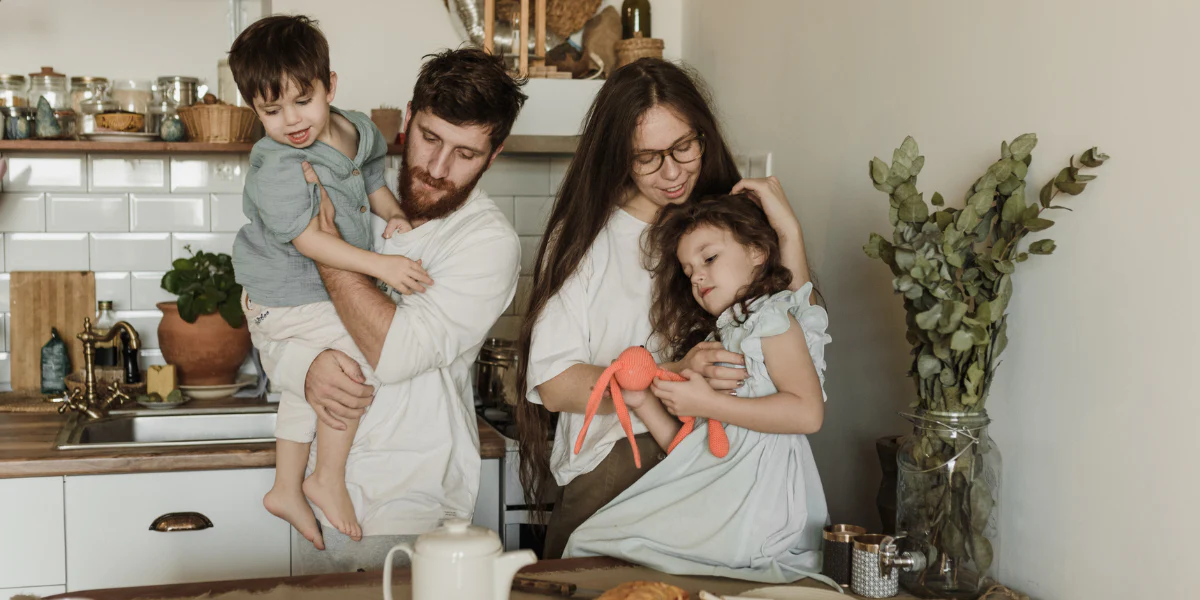
The sound of siblings arguing can test the patience of even the calmest parent. I have stood in my kitchen listening to bickering over toys, seats, and whose turn it is, wondering if they will ever truly enjoy each other. At the same time, I have witnessed moments of fierce loyalty and deep laughter that remind me their relationship is one of the most important they will ever have.
Siblings share a history that no one else can fully understand. They grow up under the same roof, absorb the same family culture, and experience life milestones side by side. That shared foundation has the potential to become a lifelong source of support. It does not happen automatically, though, and it certainly does not grow without guidance.
Practical ways to build strong sibling bonds have become a priority in my home because I want more than surface-level peace. I want my children to respect each other, enjoy each other, and eventually lean on each other as adults. While conflict is inevitable, connection can be intentionally nurtured through daily habits and thoughtful leadership.
Model Respect In Everyday Interactions
Children mirror what they see. The way I speak to my partner, friends, and even strangers shapes how my children treat one another. If my tone is harsh or dismissive, they absorb that pattern quickly.
I make a conscious effort to speak respectfully, especially during disagreements. Apologizing when I am wrong shows them that humility is strength, not weakness. That example sets a foundation for how they communicate with each other.
Respect also includes listening fully. When my children feel heard by me, they are more likely to extend that same courtesy to their siblings. Modeling respectful dialogue creates a ripple effect in our home.
Avoid Comparisons
Comparing siblings can quietly damage their bond. Statements that highlight one child’s strengths against another’s weaknesses may seem harmless, but they often fuel resentment. I have learned to celebrate individuality without placing them side by side.
Each child has unique gifts, personalities, and challenges. Acknowledging those differences without ranking them fosters confidence. When children feel secure in their identity, they are less threatened by their sibling’s abilities.
Encouraging appreciation rather than competition changes the tone of their interactions. They begin to see each other as teammates rather than rivals.
Encourage Teamwork Through Shared Goals
Shared experiences build connection. I look for opportunities that require cooperation rather than competition. Family projects, such as preparing a meal together or organizing a shared play area, create natural teamwork.
Working toward a common goal shifts the focus from conflict to collaboration. They learn to divide tasks and rely on each other’s strengths. Small victories achieved together strengthen trust.
Even simple challenges like building a blanket fort can become bonding moments. Collaboration builds memories that arguments cannot erase.
Teach Conflict Resolution Skills
Disagreements are unavoidable, but they can become growth opportunities. Instead of rushing to solve every argument, I guide my children through problem-solving steps. Asking them to explain their perspective encourages empathy.
We practice using calm voices and respectful language during disputes. It does not always happen perfectly, but repetition builds skill. Over time, they require less intervention from me.
Teaching them how to repair after conflict is equally important. Apologizing sincerely and offering solutions reinforces accountability. Strong sibling bonds grow through healthy conflict resolution, not the absence of disagreement.
Protect One-On-One Time
Individual attention reduces jealousy. Spending dedicated time with each child reassures them of their unique place in my heart. This security makes it easier for them to share me with a sibling.
During one-on-one moments, I focus fully on that child’s interests. That investment strengthens our connection and indirectly benefits their sibling relationship. A child who feels valued is less likely to compete for attention.
Balanced attention does not require elaborate outings. Even a short walk or shared conversation can reinforce belonging.
Create Family Traditions
Shared traditions become emotional anchors. Weekly movie nights, game evenings, or seasonal rituals provide consistent opportunities for bonding. These moments build positive associations with one another.
Rituals offer predictability and joy. Anticipation of shared activities fosters unity. The laughter and shared memories formed during these times often outlast temporary conflicts.
Traditions do not need to be elaborate. Consistency matters more than complexity.
Encourage Empathy Through Perspective
Empathy deepens connection. I encourage my children to imagine how their sibling might feel during conflicts. This simple exercise often softens hardened attitudes.
Discussing emotions openly builds emotional intelligence. When one child is hurt or frustrated, we talk about those feelings as a family. Naming emotions helps them become more compassionate.
Empathy reduces harshness. It reminds siblings that they are allies, not enemies.
Avoid Labeling Roles
Labels such as “the responsible one” or “the wild one” can trap children in fixed identities. I resist assigning roles that limit growth. Children change, and their dynamics shift over time.
Allowing flexibility encourages mutual respect. One child may lead in one area while the other shines elsewhere. Avoiding rigid roles prevents imbalance.
Freedom from labels fosters equality. Equality strengthens their bond.
Promote Shared Interests Without Forcing Them
Common interests naturally bring siblings closer. I look for activities they both enjoy and encourage participation together. At the same time, I avoid forcing identical hobbies.
Respecting individuality prevents resentment. Shared joy feels authentic when it grows organically. If both enjoy art, we create projects they can complete side by side.
Allowing differences while celebrating common ground strikes a healthy balance. Practical ways to build strong sibling bonds often include honoring both unity and individuality.
Guide Without Playing Favorites
Perceived favoritism can fracture sibling relationships quickly. I strive to remain fair and consistent in discipline and praise. Even small imbalances can leave lasting impressions.
Explaining decisions calmly helps prevent misunderstandings. Transparency builds trust. My children may not always agree, but they know I aim for fairness.
Impartial leadership strengthens unity. They are more likely to trust each other when they trust me.
Celebrate Their Partnership
Highlighting moments of cooperation reinforces positive behavior. When I see them helping each other, I acknowledge it. Recognition encourages repetition.
Celebrating their teamwork reminds them that their bond matters. It shifts attention from negative interactions to positive ones. Reinforcement builds momentum.
Pointing out strengths in their relationship builds pride. Pride encourages protection of that bond.
Teach The Value Of Loyalty
Sibling relationships often endure for decades. I talk openly about the importance of standing by one another. Loyalty does not mean agreeing on everything, but it does mean offering support.
Discussing family values reinforces unity. They learn that disagreements remain within the safety of the relationship. Public loyalty builds trust.
Emphasizing loyalty does not excuse harmful behavior. It encourages mutual protection and care.
Manage Conflict Without Taking Sides Too Quickly
Jumping in immediately can unintentionally create divisions. I listen carefully before reacting. Allowing both sides to speak fosters fairness.
Encouraging them to solve small disputes independently builds confidence. Stepping in only when necessary teaches them to navigate conflict. Gradual independence strengthens their bond.
Balanced intervention avoids resentment. It also promotes maturity.
Foster Gratitude For Each Other
Gratitude shifts perspective. Occasionally, I ask my children to share something they appreciate about their sibling. These reflections can be surprisingly heartfelt.
Expressing appreciation strengthens connection. It reminds them of positive traits that may be overshadowed during conflict. Gratitude builds emotional warmth.
This simple practice cultivates respect. Respect nurtures enduring bonds.
Allow Space For Growth
Sibling relationships evolve over time. What feels competitive at one stage may become supportive later. Patience allows growth to unfold naturally.
I avoid expecting constant harmony. Conflict does not equal failure. It can coexist with love and loyalty.
Trusting the long-term process keeps me grounded. Practical ways to build strong sibling bonds require consistency, not perfection.
Final Thoughts
Strong sibling relationships are shaped daily through guidance, modeling, and intentional connection. Conflict may fill certain seasons, but it does not define the entire story. With steady leadership, bonds deepen over time.
Practical ways to build strong sibling bonds involve empathy, fairness, teamwork, and respect. Small daily actions often carry more impact than grand gestures. Consistency forms the backbone of lasting connection.
Watching my children laugh together after resolving a disagreement reassures me that the effort is worthwhile. Their relationship has the potential to become one of the most meaningful in their lives. Nurturing that bond now lays the foundation for lifelong friendship and support.
