

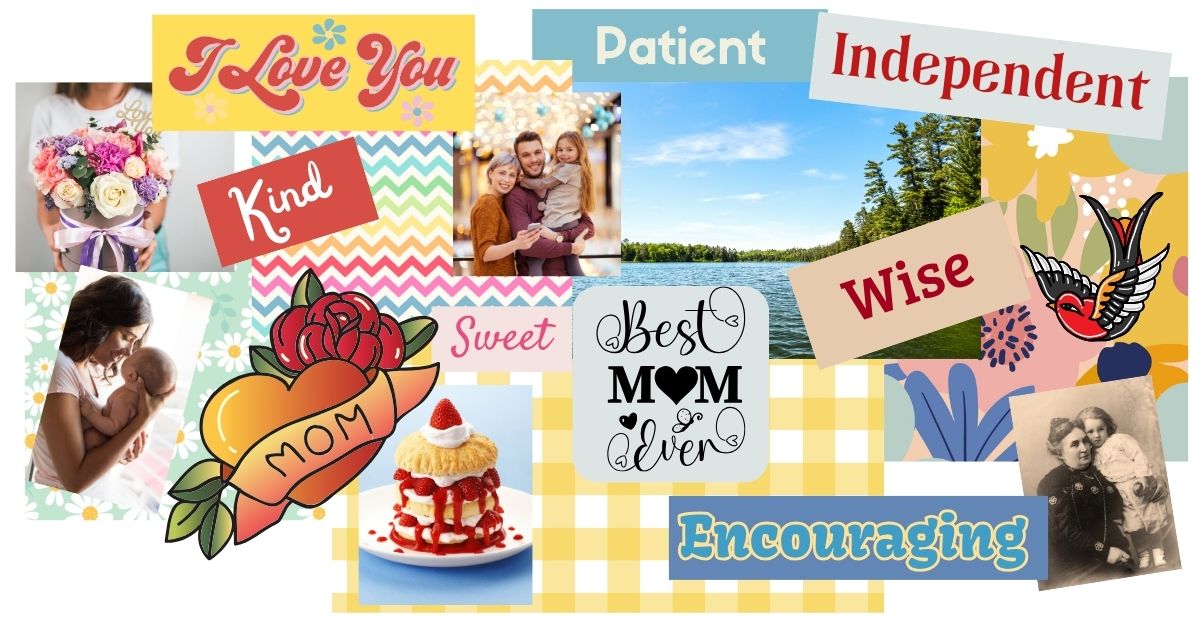
Dreams can feel scattered in the middle of busy family life. Between school schedules, work demands, laundry piles, and endless responsibilities, long-term hopes often get pushed to the bottom of the list. I realized that if I did not make space to clarify what we were working toward as a family, we would drift from one season to the next without intention.
A few years ago, I decided our goals needed a visible home. Not tucked inside my planner or buried in my phone notes, but displayed somewhere we could all see them. That decision led me to explore the idea of creating a vision board for your family goals, and it changed the way we talk about our future.
This practice has become more than an arts and crafts activity in our home. It is now a ritual that brings us together, sparks meaningful conversations, and aligns our daily actions with the life we want to build. The board itself is simple, but the impact has been profound.
Why Visual Goals Matter In Family Life
Words are powerful, but images have a unique way of anchoring intention. A picture on the wall catches my attention in a way that a sentence in a notebook often does not. When my children see images representing trips we hope to take or habits we want to build, the goals feel tangible rather than distant.
Visual reminders also create shared language. Instead of vaguely saying we want to “spend more time together,” we can point to a photo of a family hiking trail or a game night scene. That image becomes a reference point in everyday decisions.
I have noticed that when our goals are visible, they influence our behavior quietly but consistently. We are more likely to save money for travel when we see that dream represented daily. We are more likely to prioritize connection when images of joyful moments stare back at us from the wall.
Involving Everyone In The Process
A family vision board works best when it is not dictated by one person. I gather my children around the table with magazines, scissors, markers, and a large poster board. We talk about what excites us, what we hope for, and what kind of atmosphere we want in our home.
Those conversations reveal more than I expect. One child might express a desire to try a new sport, while another dreams about redecorating their room. My spouse might mention financial stability or a shared fitness goal. These discussions give each person a voice.
Involving everyone creates ownership. When a goal appears on the board, it carries weight because it represents a collective decision. Creating a vision board for your family goals becomes less about decoration and more about unity.
Clarifying What Matters Most
Before cutting out a single image, we spend time reflecting on our priorities. I ask questions that encourage depth rather than surface-level answers. What kind of memories do we want to create this year? How do we want to feel in our home? What habits would make our lives smoother?
This reflection prevents the board from becoming a random collage. Instead of focusing only on material desires, we also highlight values like kindness, health, gratitude, and patience. Images of peaceful mornings or family dinners can represent emotional goals just as effectively as words.
Taking time to clarify what matters most helps us filter distractions. It becomes easier to say no to commitments that do not align with our shared vision. That clarity is one of the hidden benefits of creating a vision board for your family goals.
Balancing Short-Term And Long-Term Dreams
Our board includes a mix of near-term intentions and bigger aspirations. Short-term goals might involve organizing a specific space in the house or planning a weekend getaway. Long-term dreams might include saving for a home upgrade or preparing for future education expenses.
I find that blending both types of goals keeps motivation alive. Short-term wins provide momentum and encouragement. Long-term dreams give direction and purpose beyond the current season.
This balance also teaches my children patience. They learn that some goals require steady effort over time. Seeing those dreams displayed visually reminds them that progress often happens gradually.
Making It Visually Inspiring
A vision board should feel energizing, not cluttered. I encourage my family to select images and words that genuinely excite them rather than grabbing everything that looks appealing. Too many elements can dilute the focus.
We arrange the board thoughtfully, grouping related themes together. Travel dreams might occupy one section, while personal growth goals sit in another. Financial aspirations and home improvements have their own space.
Color and layout matter more than I initially realized. When the board looks intentional and attractive, we are more likely to glance at it regularly. Creating a vision board for your family goals becomes an artistic expression of hope.
Displaying The Board Where It Matters
Location plays a crucial role in how effective the board becomes. Ours hangs in a common area where we gather daily. It is not hidden in a bedroom or office where only one person sees it.
That visibility sparks spontaneous conversations. A child might point to an image and ask when we will work toward that goal. Those small moments reinforce commitment.
The board becomes part of our environment rather than a forgotten project. Its presence gently nudges us to align our daily habits with our bigger picture.
Turning Vision Into Action
A board without action is simply decoration. After finalizing ours, we break down major goals into practical steps. If we want to travel, we discuss budgeting strategies. If we aim to improve health, we plan weekly meal prep and family workouts.
I write small action items in a notebook that connects to the board. This bridge between inspiration and execution is essential. It transforms dreams into structured plans.
Creating a vision board for your family goals gains real power when paired with consistent action. The images inspire, but the follow-through produces change.
Revisiting And Refreshing Regularly
Life evolves, and so should our board. At least once a year, we revisit it together. We celebrate goals that have been achieved and discuss whether certain dreams still resonate.
Some images come down because they no longer fit our direction. New ones replace them as our children grow and our priorities shift. This refresh keeps the board relevant rather than outdated.
The process of reviewing our progress also builds confidence. We can point to tangible achievements and recognize how far we have come. That reflection strengthens our belief in the power of intentional living.
Teaching Children About Goal Setting
One unexpected benefit of this practice has been the lessons it teaches my children. They see firsthand how goals are identified, visualized, and pursued. They witness the connection between effort and outcome.
We talk about obstacles openly. If a goal takes longer than expected, we discuss why and adjust our strategy. This transparency helps them develop resilience rather than frustration.
By involving them in creating a vision board for your family goals, I am equipping them with skills they will carry into adulthood. They learn to dream boldly while staying grounded in practical steps.
Encouraging Gratitude Alongside Ambition
Ambition without gratitude can lead to constant dissatisfaction. I make it a point to include images or words that reflect appreciation for what we already have. Photos of our current home, snapshots from past vacations, and reminders of strong relationships find a place on the board.
This blend of gratitude and aspiration keeps our hearts balanced. We celebrate the present while reaching for the future. That dual focus prevents comparison and envy.
Gratitude also reinforces joy in small victories. As we check off goals, we pause to acknowledge the journey rather than rushing to the next milestone.
Addressing Skepticism With Openness
Not everyone immediately embraces the concept of a vision board. Some family members may view it as unnecessary or overly sentimental. I encountered mild skepticism at first, especially from those who prefer purely practical approaches.
Instead of dismissing their concerns, I invited them to treat it as an experiment. We agreed to try it for one year and evaluate the results. That openness created space for honest participation.
Over time, even the skeptics began referencing the board in conversations. They noticed how it clarified priorities and reduced impulsive decisions. Creating a vision board for your family goals gradually proved its value through experience rather than persuasion.
Connecting Daily Habits To Big Dreams
Large goals can feel intimidating. A board filled with inspiring images might spark excitement but also doubt. To counter that, I consistently link daily habits to the bigger picture.
If we aim to strengthen family relationships, we schedule regular game nights. If financial stability is a goal, we review our budget monthly. If health is highlighted, we plan active outings.
These small habits compound over time. The board serves as a reminder of why those routines matter. It connects mundane tasks to meaningful outcomes.
Making It A Celebration, Not A Chore
The atmosphere during our vision board sessions matters deeply. I turn on music, prepare snacks, and treat it as a special event. This transforms the activity into a memory rather than an obligation.
Laughter often fills the room as we flip through magazines and share ideas. Even disagreements become opportunities for compromise and creativity. The process itself strengthens our bond.
Creating a vision board for your family goals should feel hopeful and energizing. When approached with joy, it becomes something everyone anticipates rather than avoids.
Aligning Personal And Collective Dreams
Individual goals deserve space alongside shared ones. I encourage each family member to include personal aspirations on the board. This ensures that no one feels overshadowed by group priorities.
At the same time, we discuss how personal goals can support the family as a whole. A parent pursuing further education might inspire children to value learning. A child training for a competition can motivate siblings to set their own challenges.
This alignment fosters mutual support. We cheer each other on because we see our dreams displayed side by side. The board becomes a visual reminder that we are building something together.
Final Thoughts
Intentional family life does not happen by accident. It requires clarity, communication, and consistent effort. A simple poster board filled with meaningful images can serve as a powerful anchor in the midst of busy seasons.
The process of creating a vision board for your family goals has brought focus and unity into our home. It has turned vague hopes into visible commitments and daily habits into stepping stones toward bigger dreams. Most importantly, it has given us a shared direction that guides our decisions.
If your family feels scattered or disconnected from long-term aspirations, consider gathering around the table and mapping out your vision together. The conversation alone can spark transformation. Over time, those images on the wall may quietly reshape the future you build side by side.
